This project was developed in Design Studio IV, where we were asked to work at a more strategic level—looking at real systems, real communities, and real-world problems through the lens of the UN Sustainable Development Goals. Instead of designing a single object or space, the focus was on understanding a situation deeply and proposing something that could actually shift how it works over time.
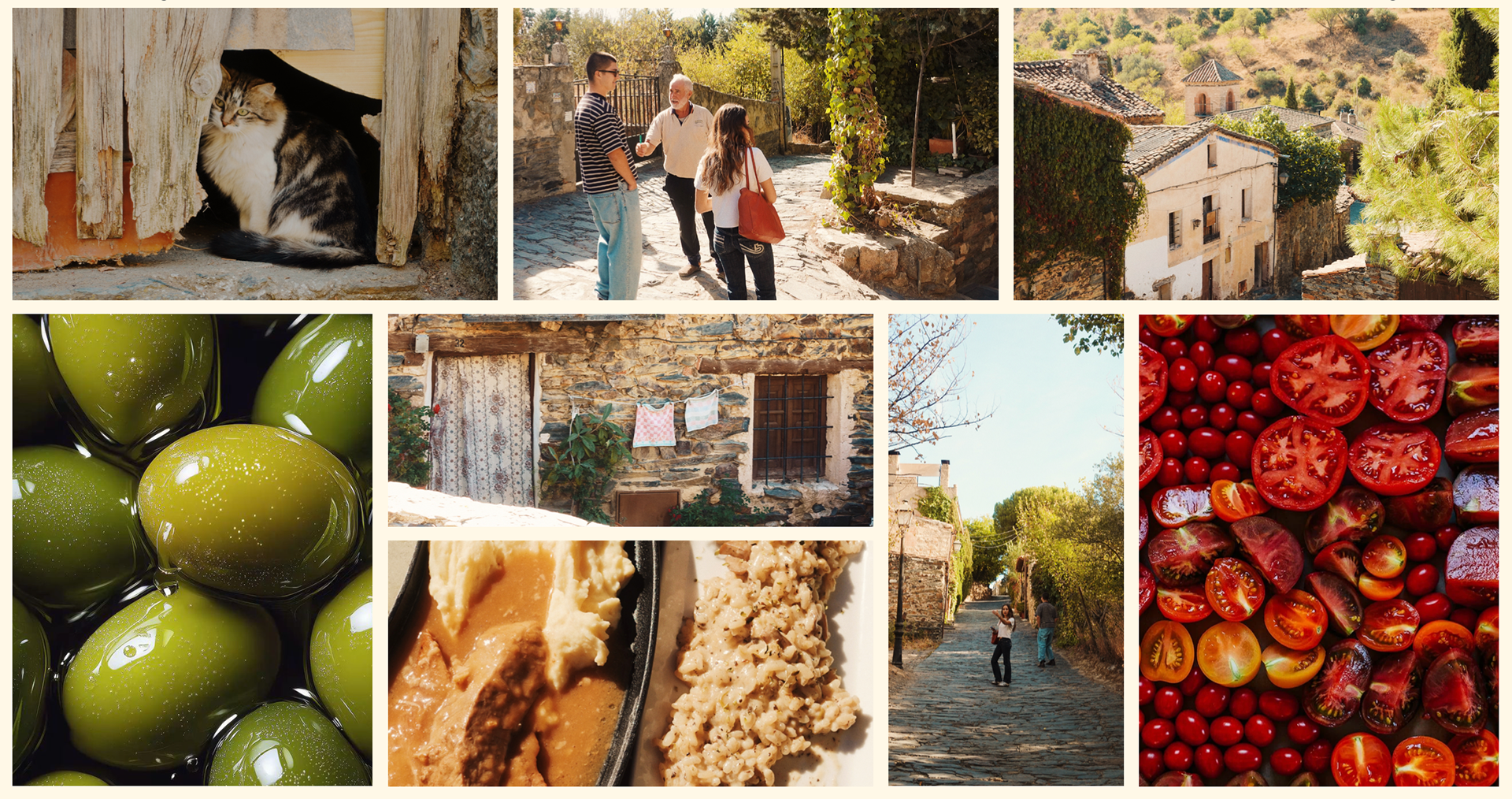
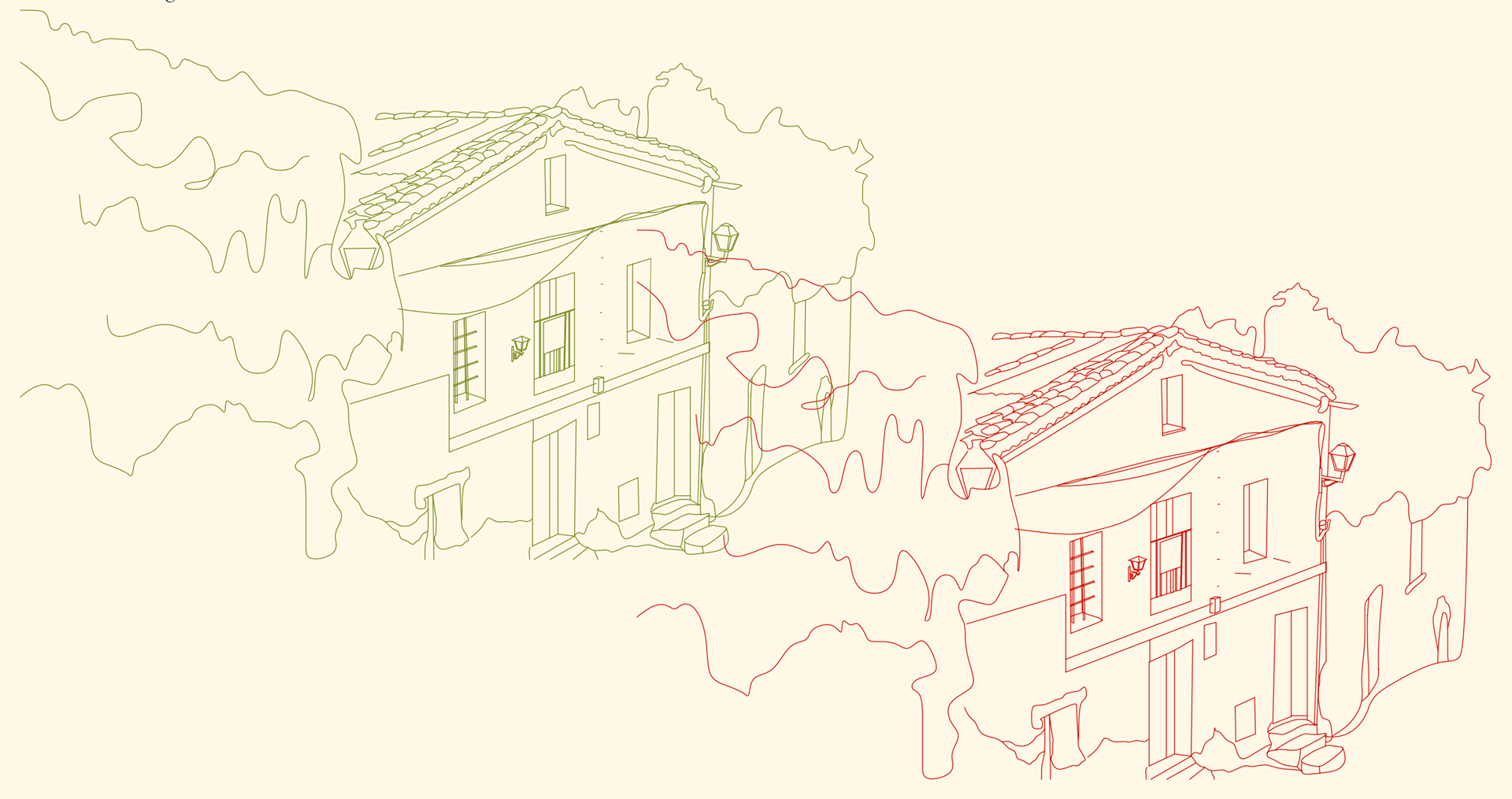
We came across Patones, a small town just outside Madrid, that felt like it was disappearing. It’s incredibly beautiful, with a really strong architectural identity, but barely anyone lives there anymore. At the same time, it gets flooded with tourists on weekends. So it’s stuck in this contradiction—over-visited, but still on the edge of becoming a ghost town.
We didn’t want to “fix” it by adding more tourism or turning it into something invasive. The goal was to work with what was already there and push those qualities further, without disrupting the people who still live there.
Very quickly, we realized the biggest issue wasn’t just tourism—it was the relationship between Patones de Arriba and Patones de Abajo. Even though they’re technically the same town, they don’t function like it. Arriba is where all the beauty and tourism is, so it gets the money. Abajo is where people actually live and where decisions are made. There’s tension between them, and it shows—basic things like infrastructure don’t get solved because of that disconnect.
So instead of starting with a building, we started with that relationship.
The idea was to make both sides depend on each other in a way that actually benefits them. If both are part of the same system, there’s more reason to collaborate.
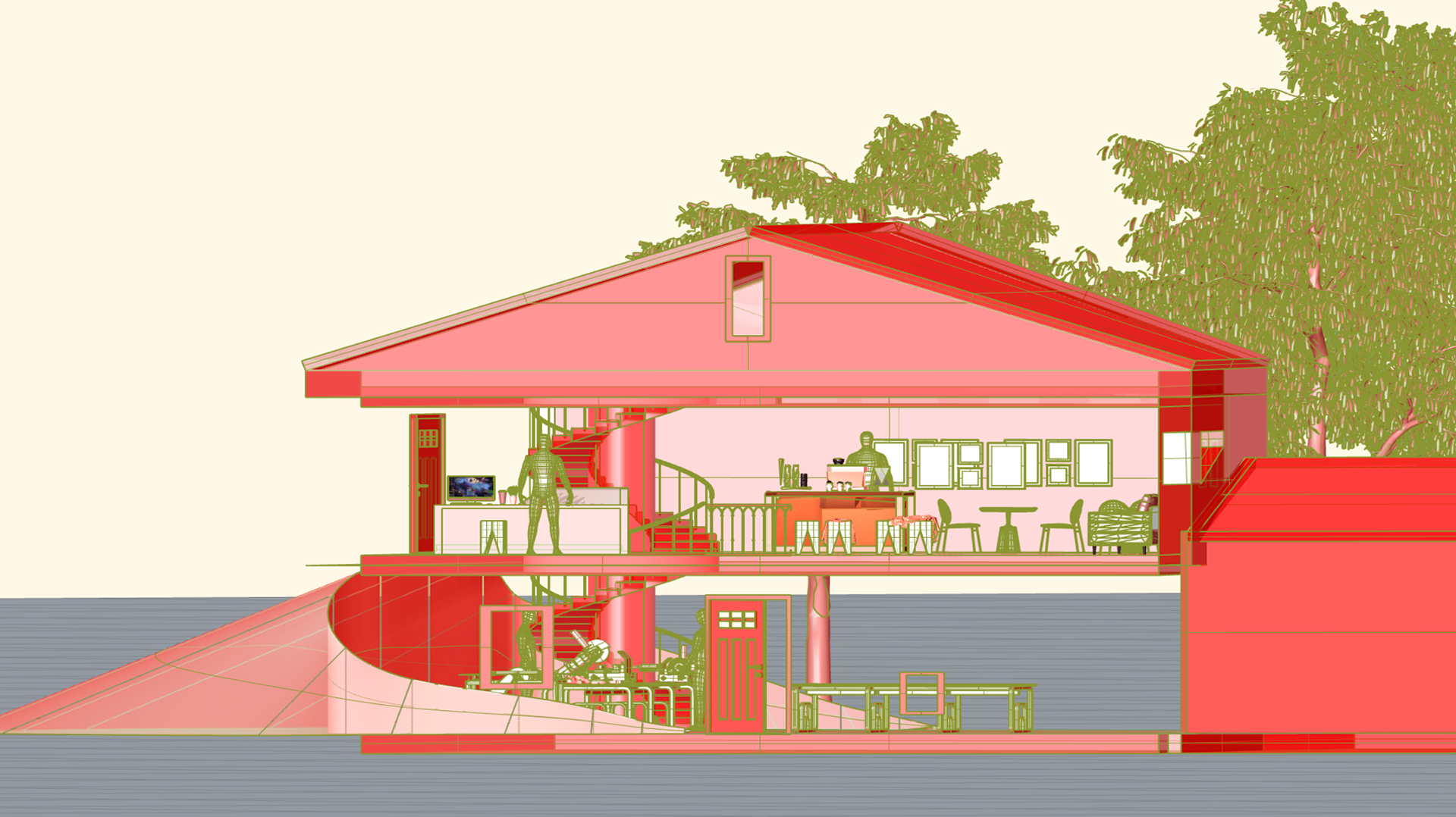
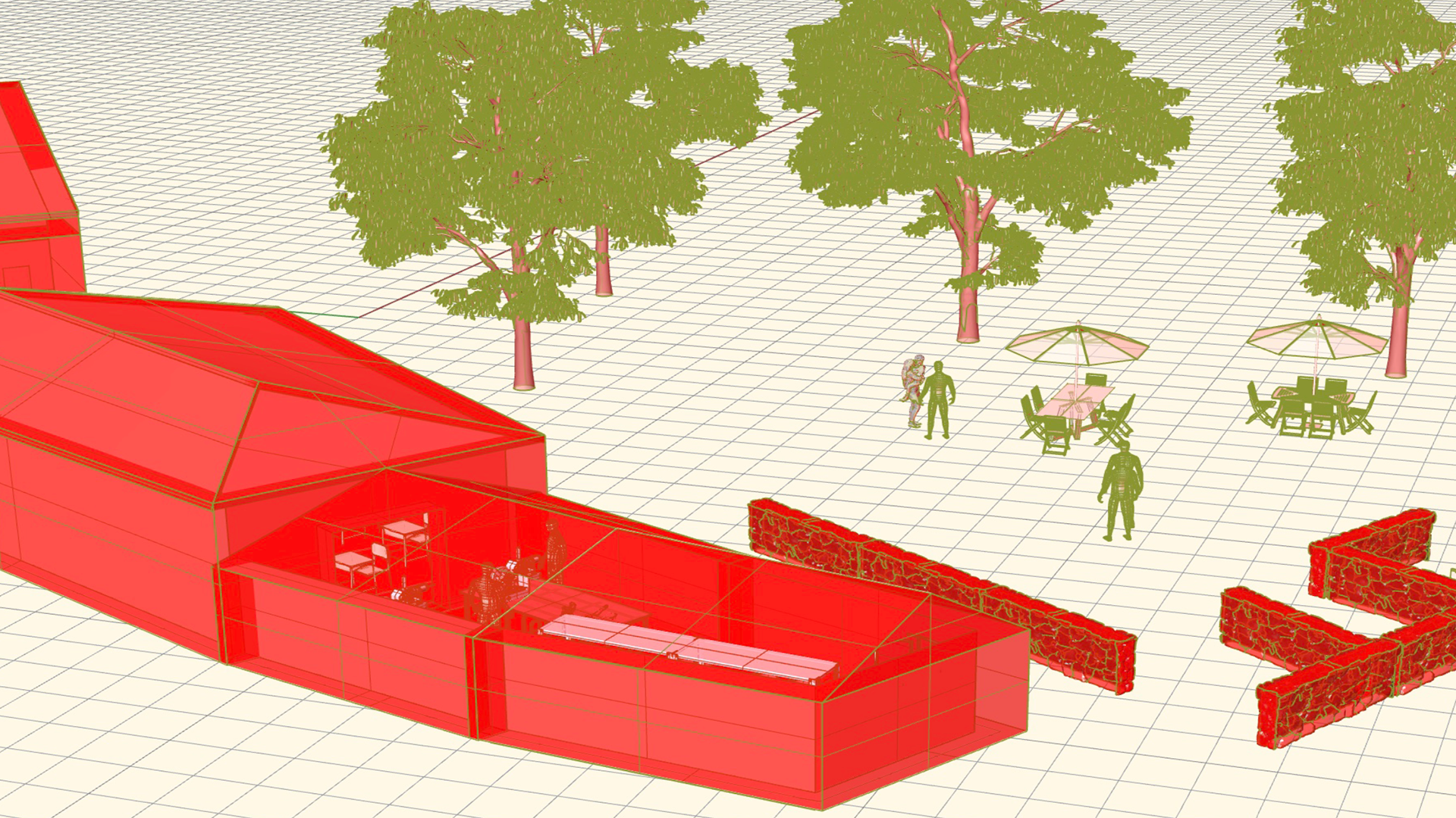
From there, we proposed two main interventions: an architecture lab and a cultural center.
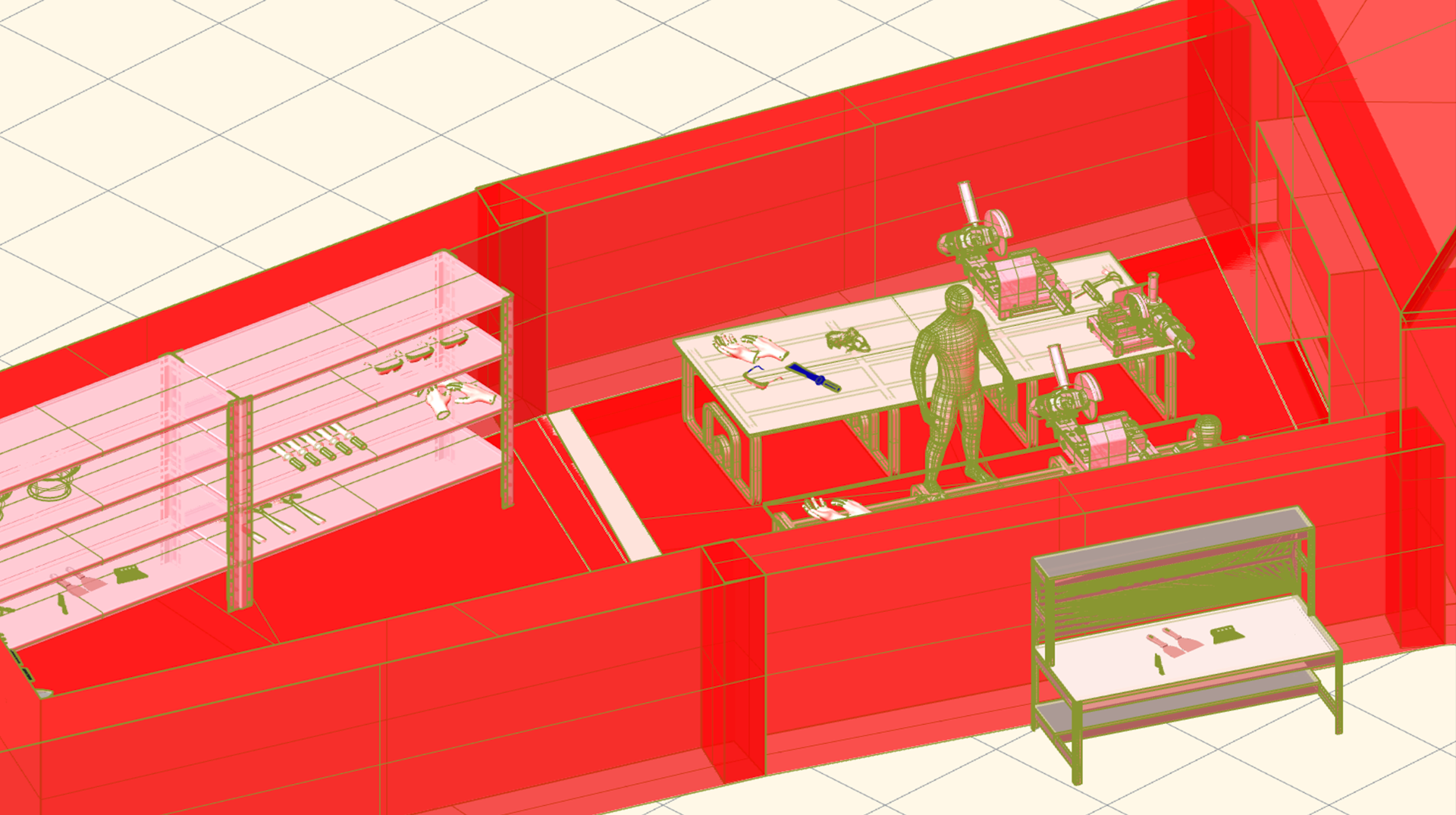
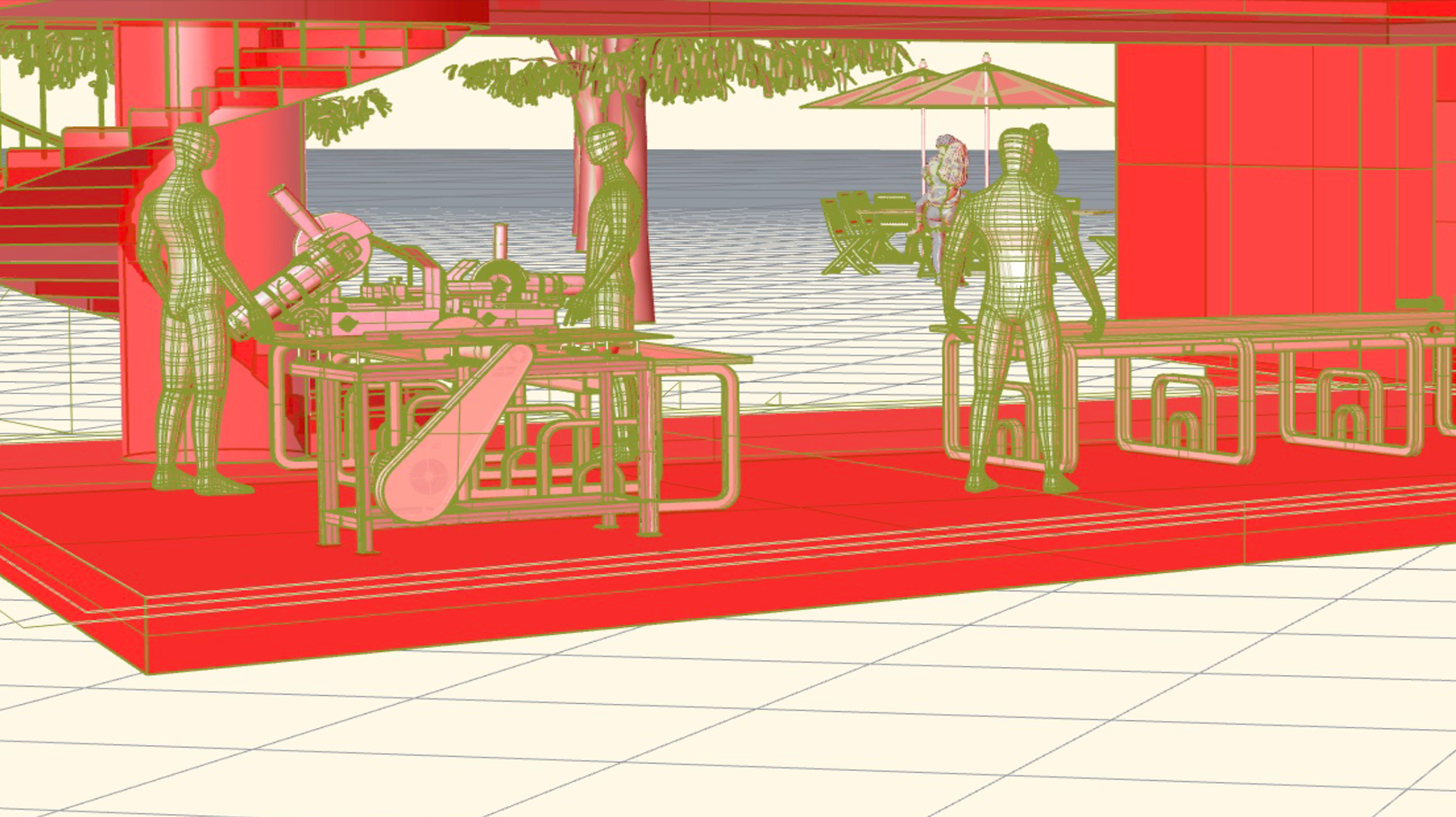
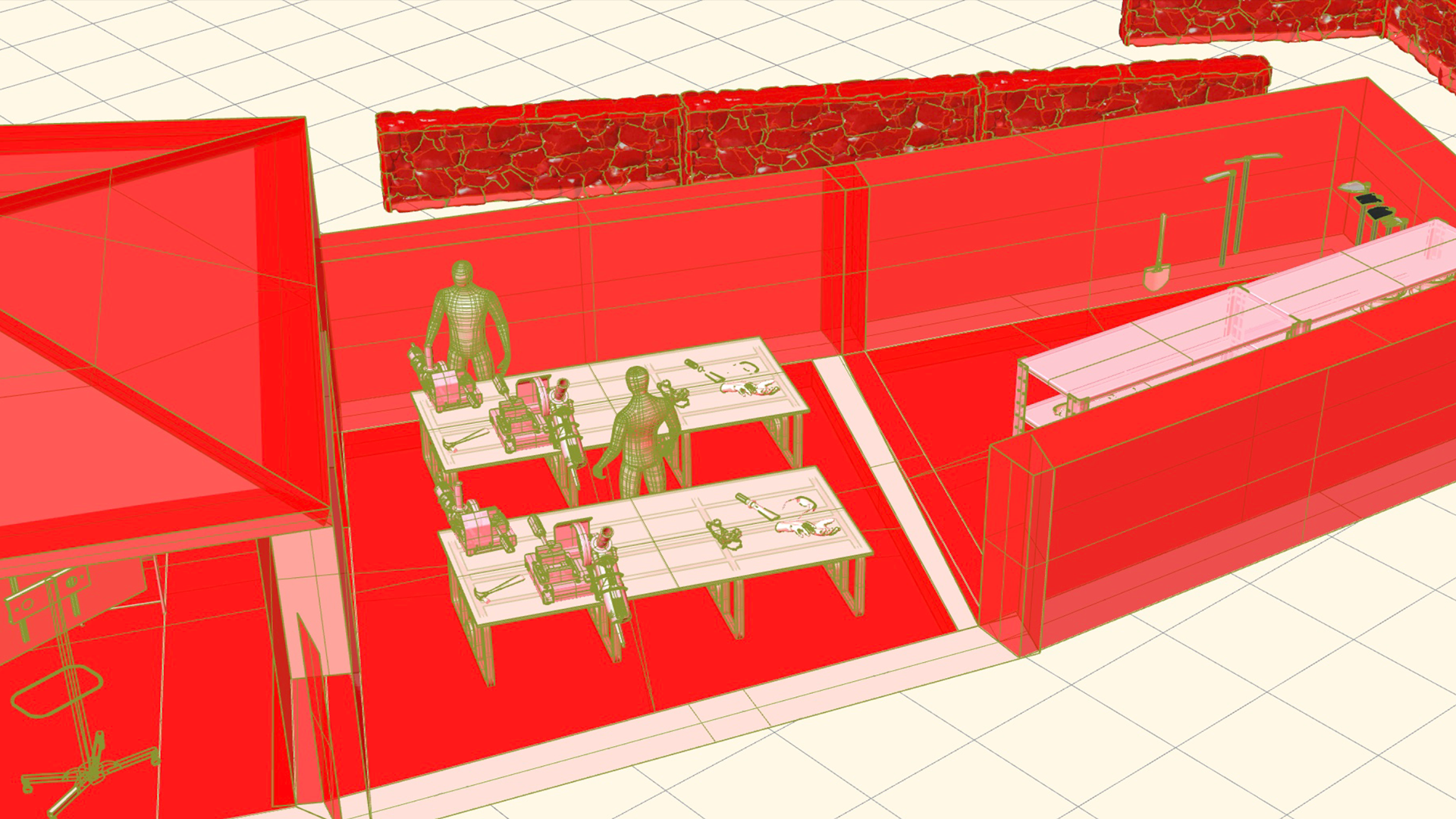
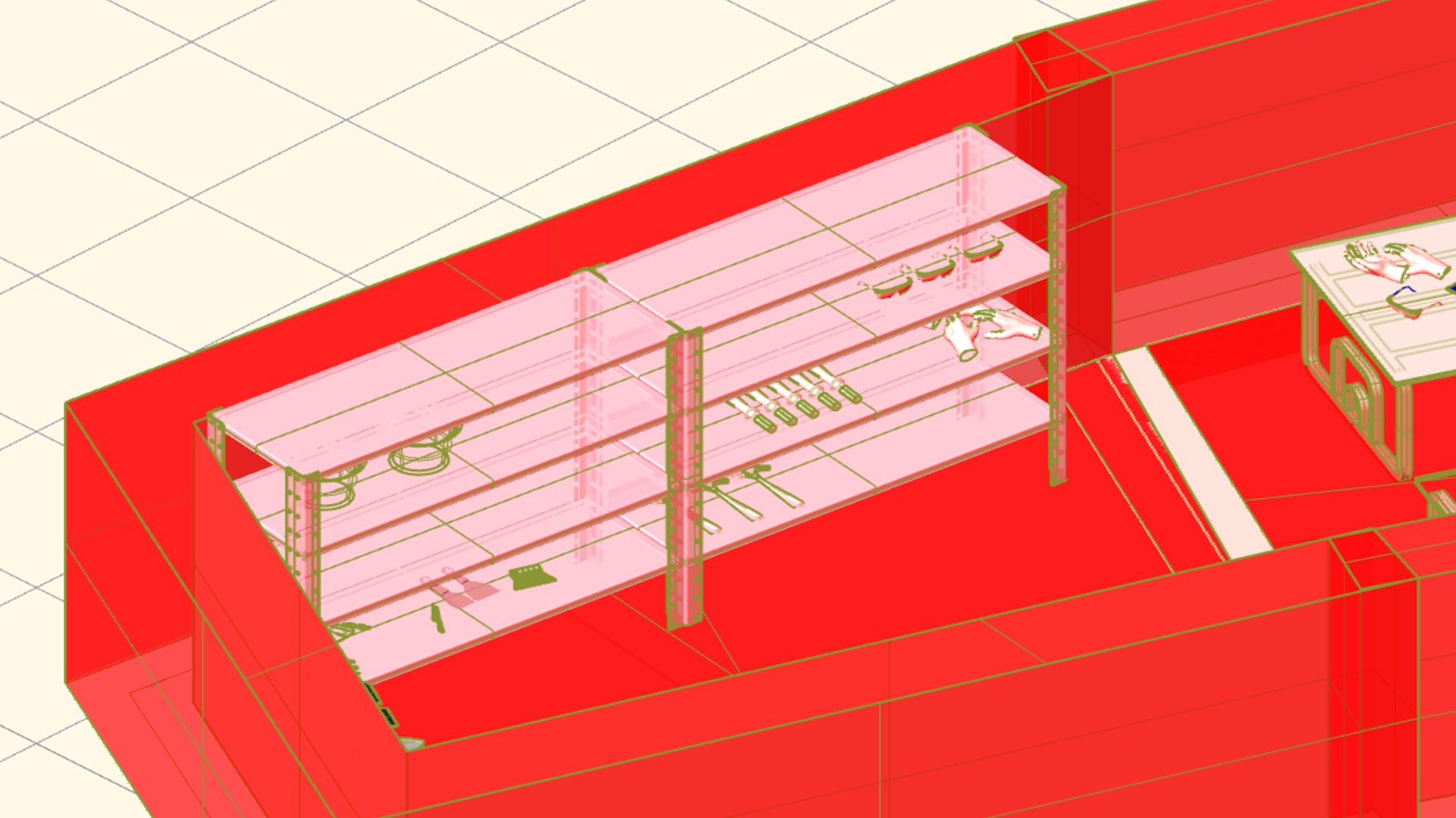
The architecture lab focuses on teaching the local slate construction technique that defines Patones de Arriba. It brings in architecture students, artists, and people interested in learning from all over the world—but not as quick tourists. They come for longer stays, learn directly from the place, and contribute back through workshops and projects.
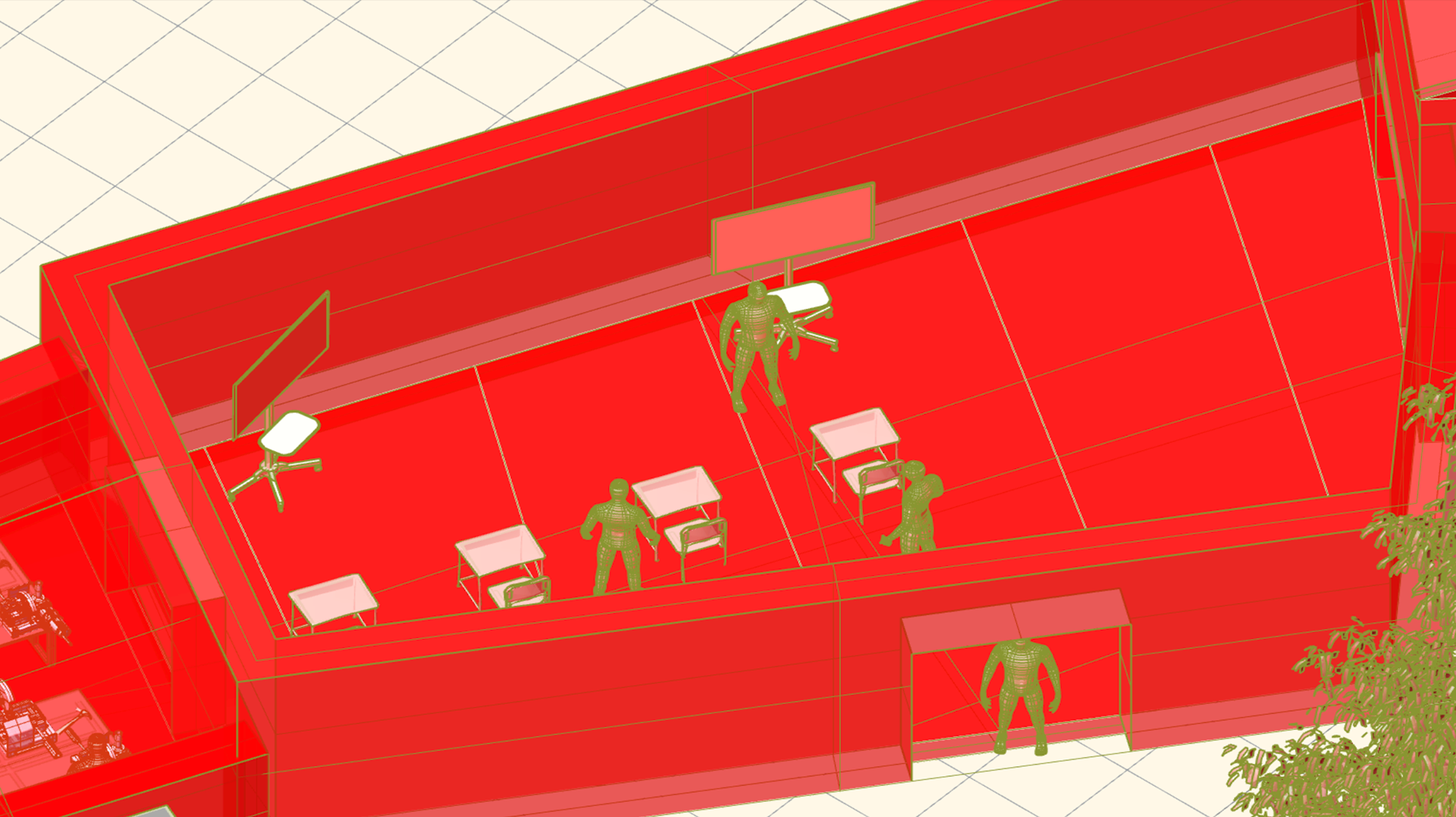
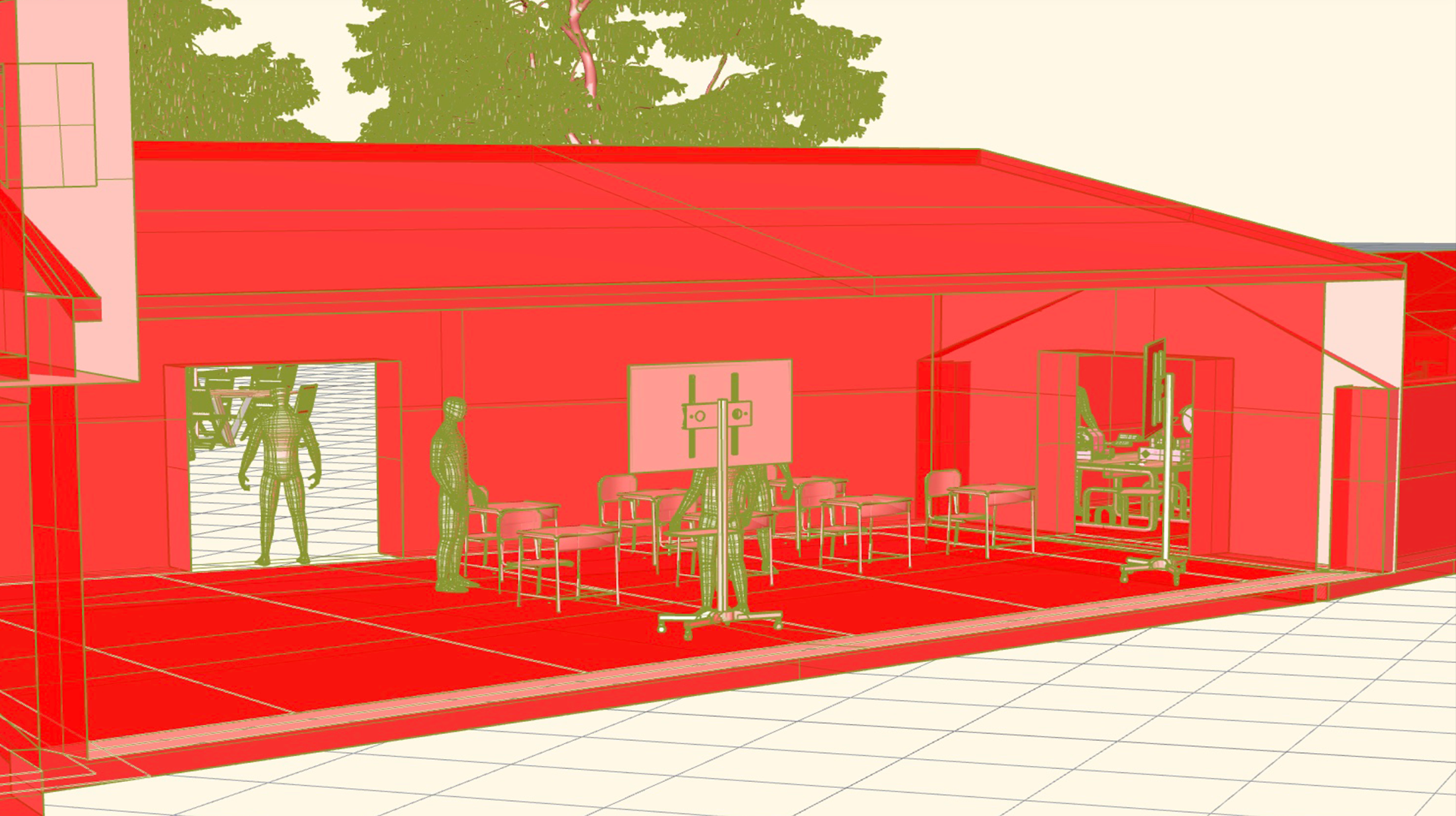
The cultural center creates something that was missing: a shared space. Somewhere for locals, visitors, and students to actually interact, instead of just passing through each other.
The system works like this: people stay in Patones de Abajo (where there’s more space and housing), and move up to Patones de Arriba to learn, work, and engage with the architecture and landscape. That creates a steady, slower flow of people, redistributes economic activity, and starts to reconnect both parts of the town.
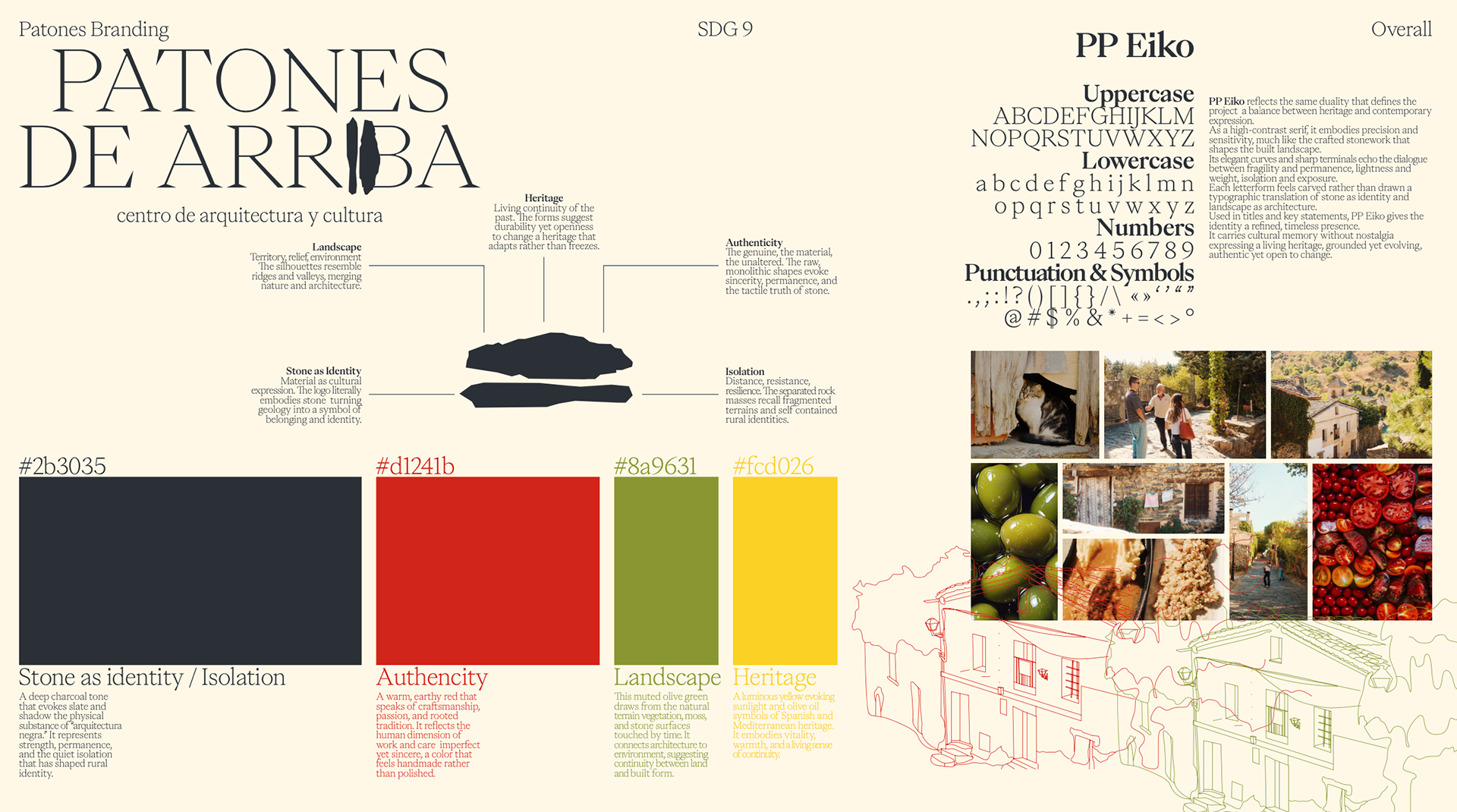
Instead of bringing something completely new, the project amplifies what Patones already has—its material, its knowledge, and its identity.
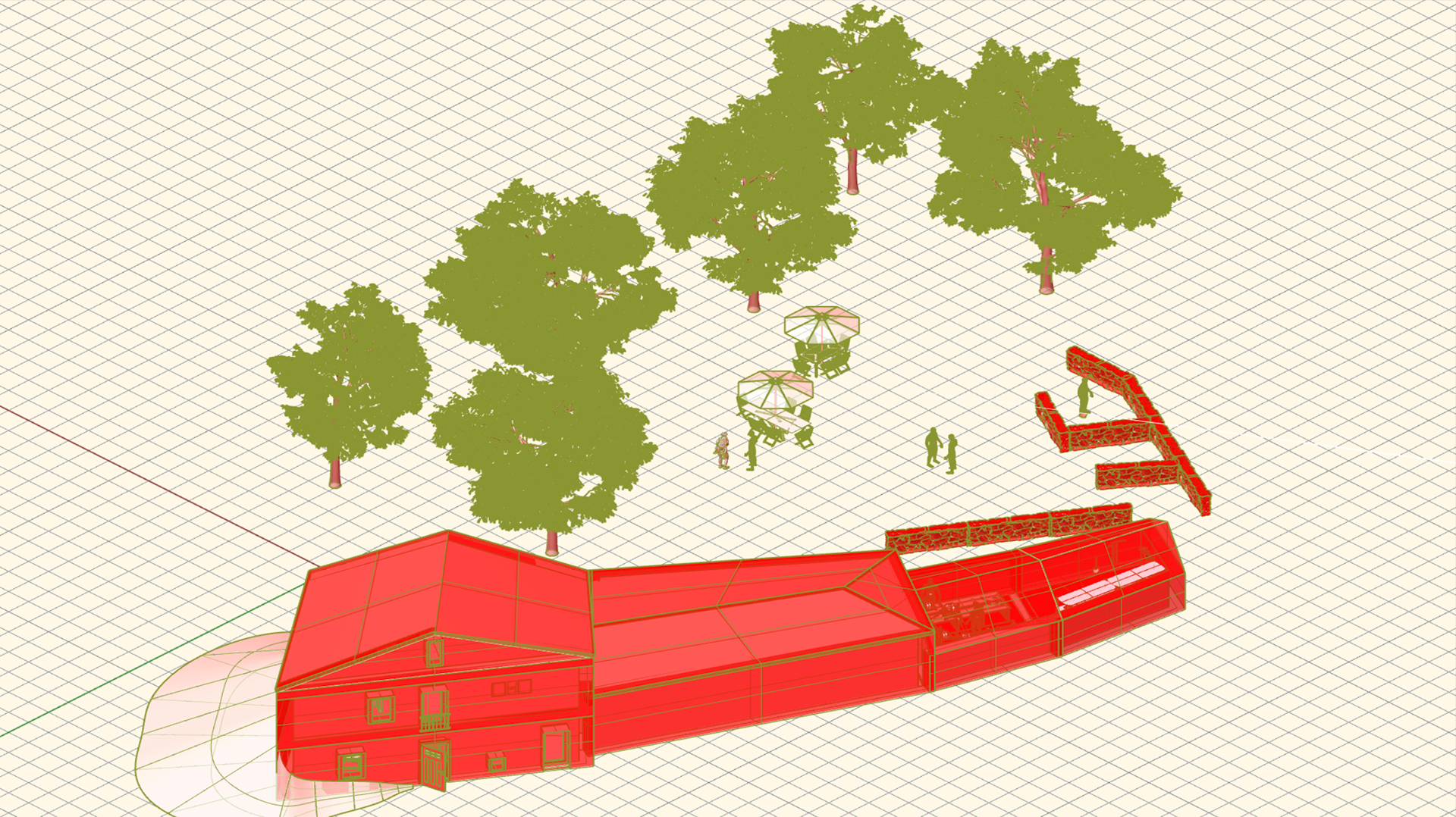
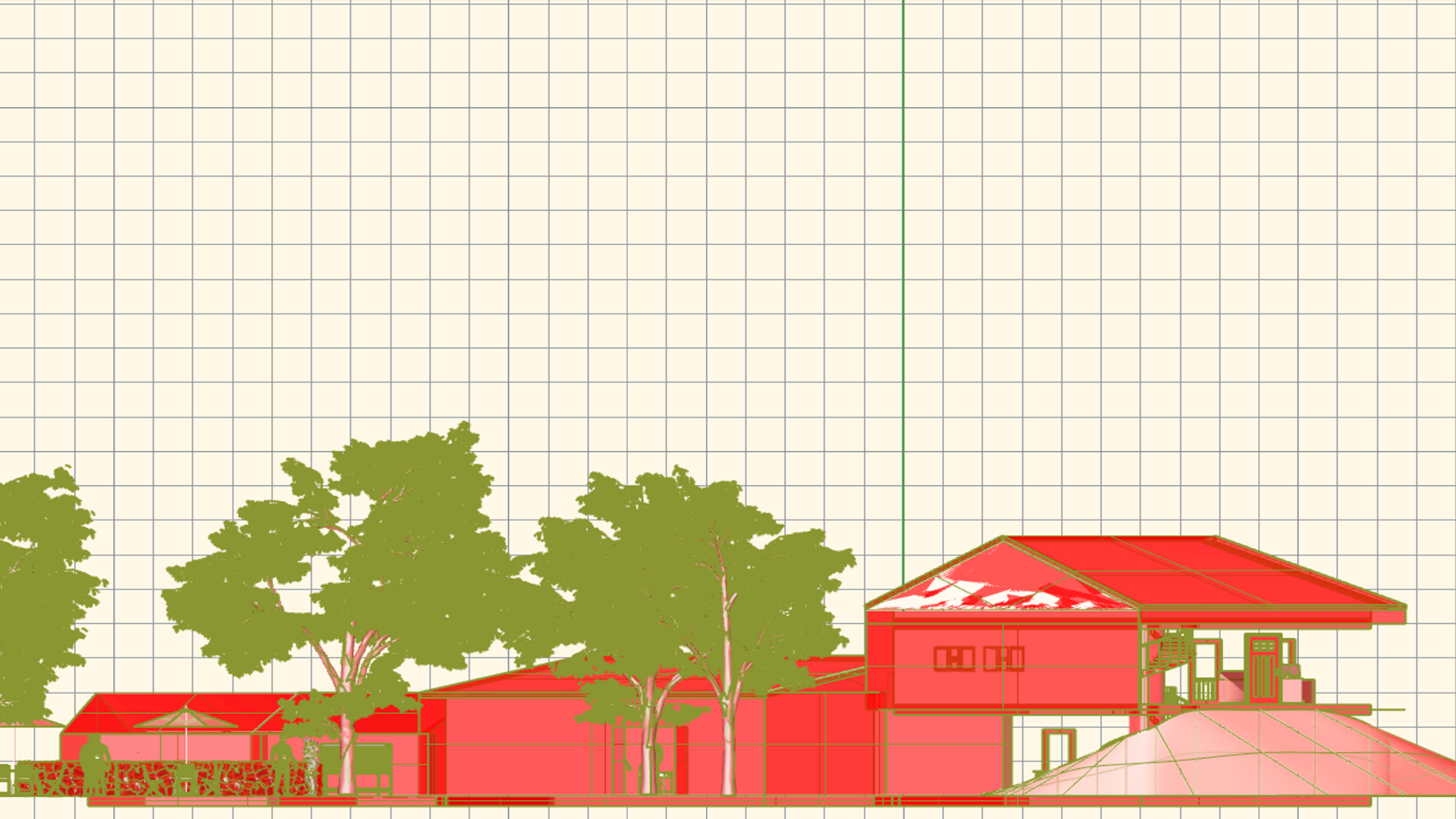
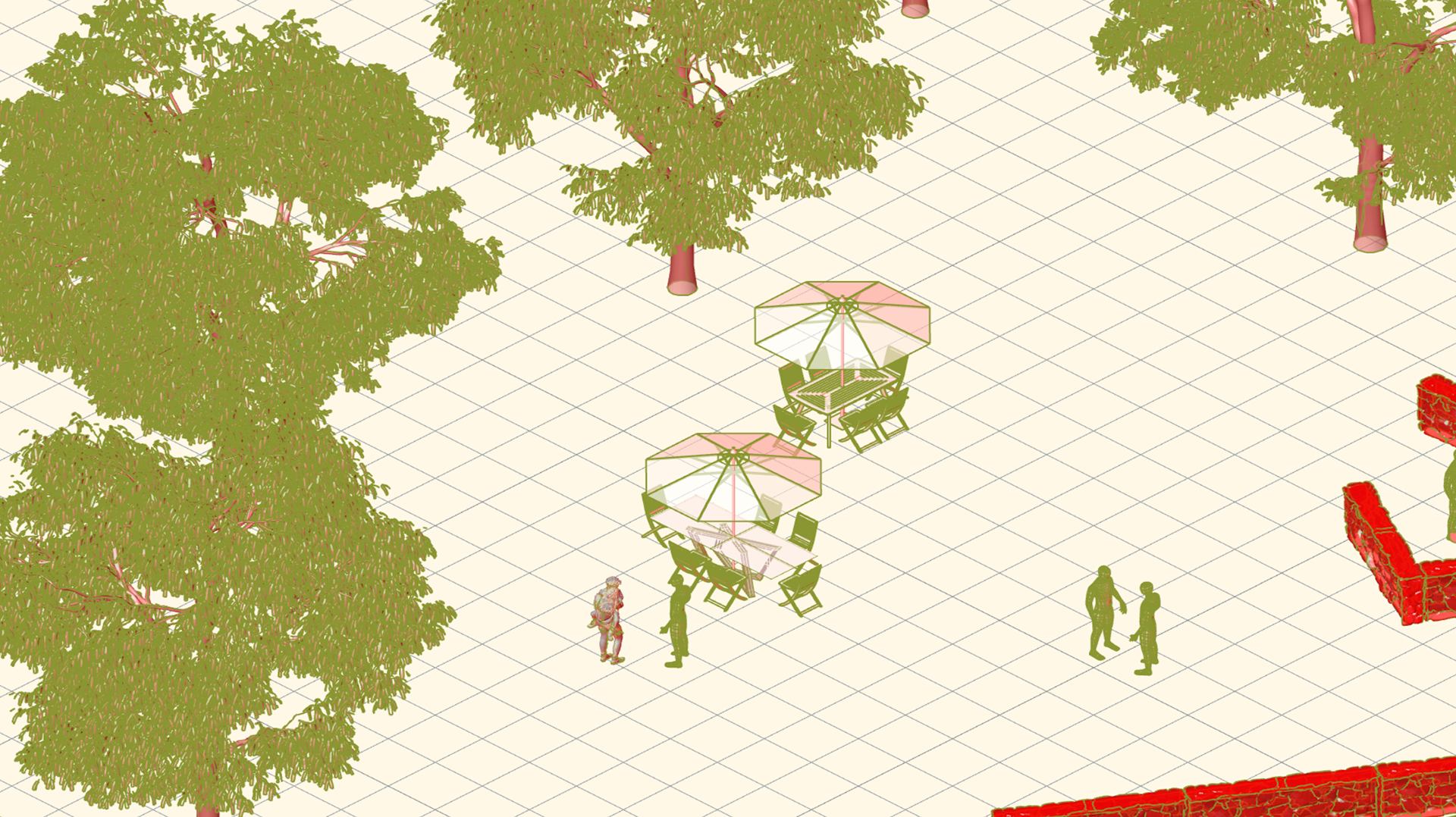
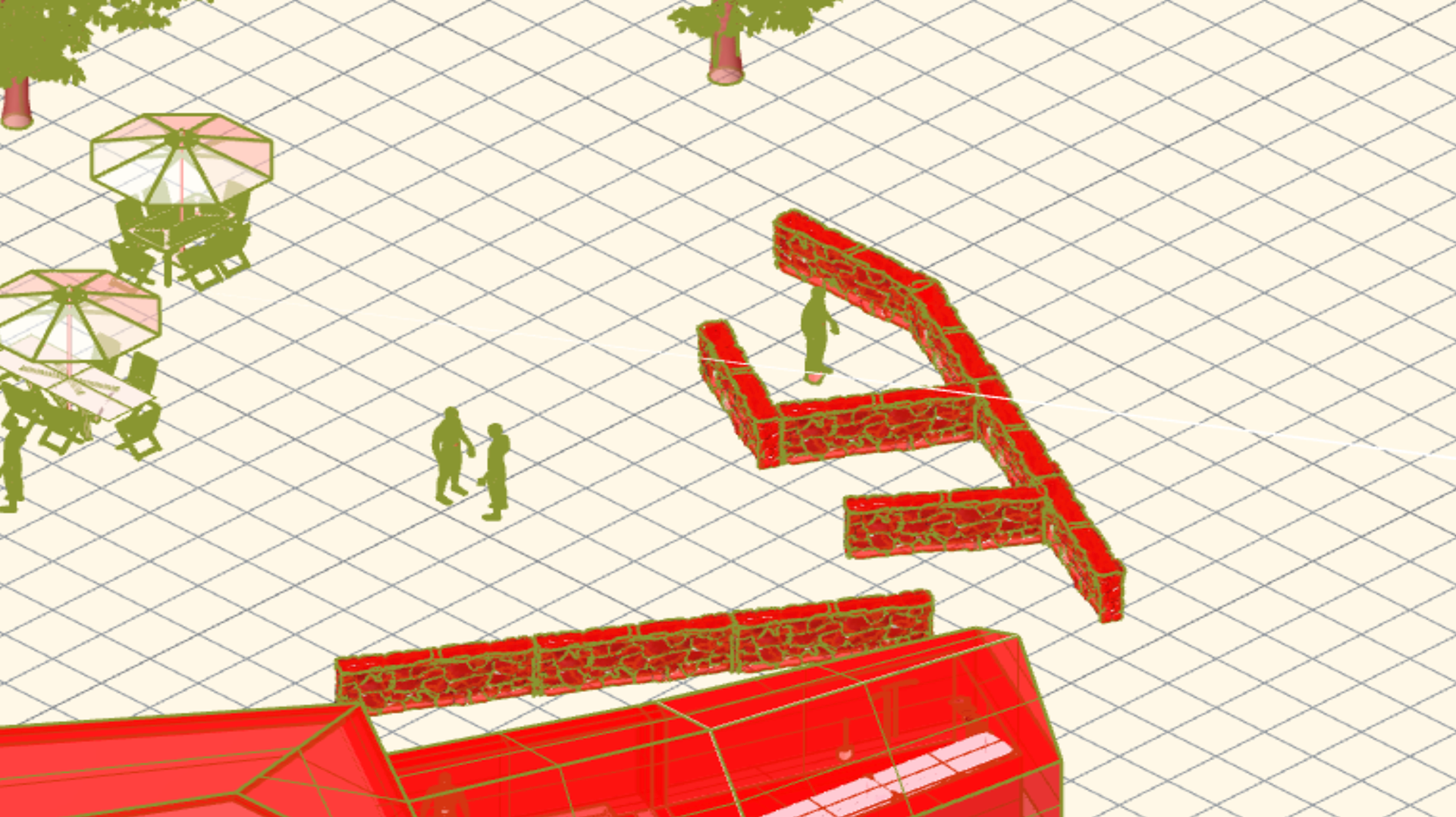
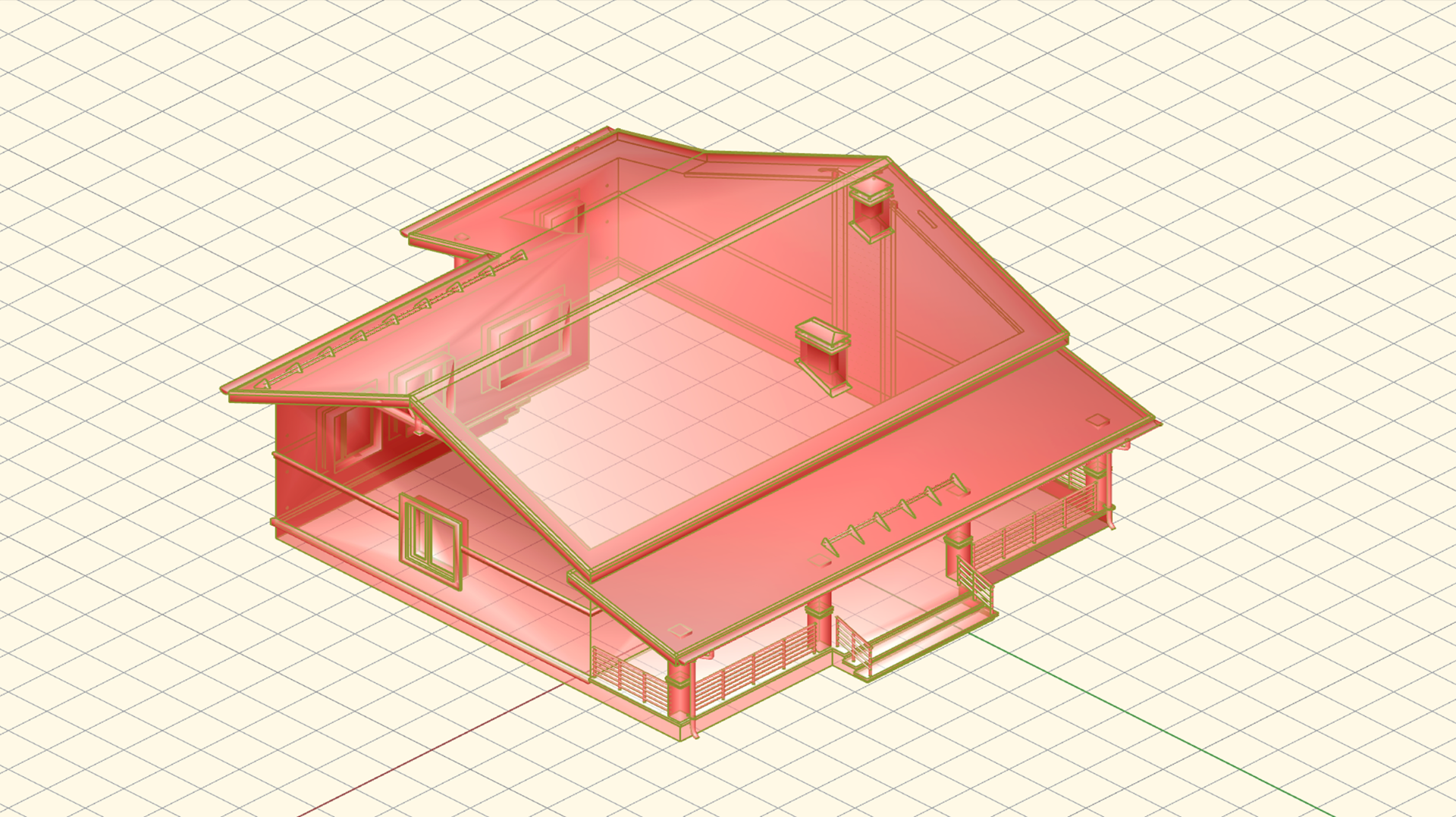
To make this more concrete, we identified abandoned buildings in the town and developed scaled 3D models based on satellite data, showing how the architecture lab and cultural center could realistically fit into the existing fabric.
In the end, the project isn’t about growth in the traditional sense. It’s about reactivation—finding a way for the town to work again as a whole, without losing what makes it special.